Digital Asset Trading Platform Setup Guide: Building a Multi-Language Demo Trading System
Digital Asset Trading Platform Setup Guide: Building a Multi-Language Demo Trading System
Educational Disclaimer: This guide is written for technical education and research purposes only. It does not constitute investment, legal, or financial advice. Running a real digital asset trading platform requires appropriate licenses, regulatory compliance, and legal review in your jurisdiction. Always consult qualified professionals before going live.
Let me be straight with you: this build ate almost three weeks of my evenings. I rebuilt the server stack more times than I care to count, migrated the database back and forth, and the multi-language switcher alone cost me an entire weekend of debugging. Now that the scars are still fresh, I am writing the whole process down so you can avoid the same potholes.
1. What This System Actually Covers
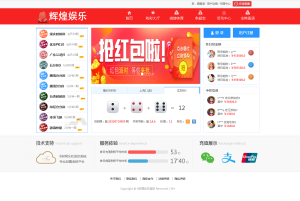
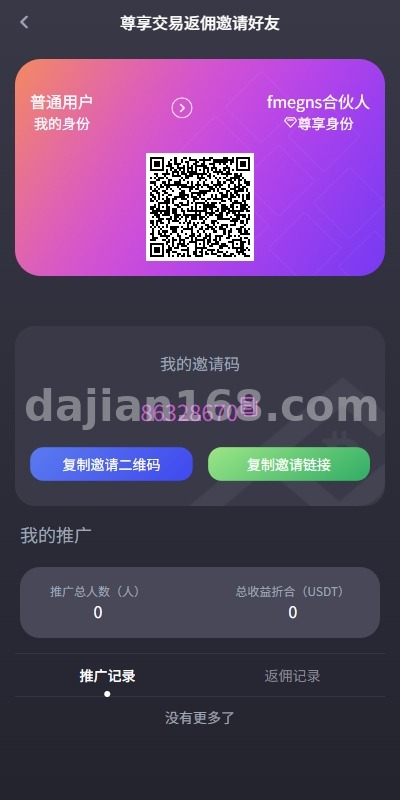
The platform we are discussing is a digital asset trading platform with a demo-first architecture. It is not a magic money printer; it is a configurable web application that can be used for training, product demos, or as a starting point for a regulated live exchange. The core modules are:
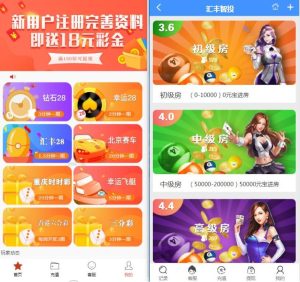
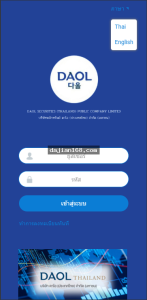
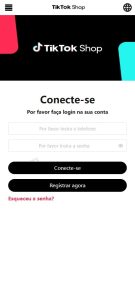
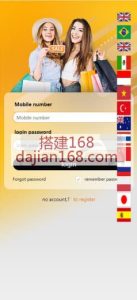
- Multi-language Frontend Interface: Real-time switching between Chinese, English, and other languages, with responsive layouts for mobile and desktop. This is essential for overseas teams or multi-region onboarding.
- Digital Asset Trading Engine: Handles order placement, matching, and settlement logic with configurable latency targets.
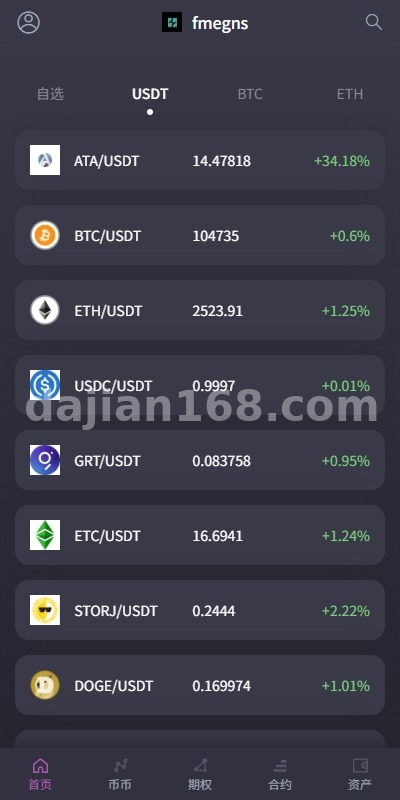
- Demo Trading Mode: Runs simulated balances and fake market data so teams can train support staff or show the product without risking real capital.
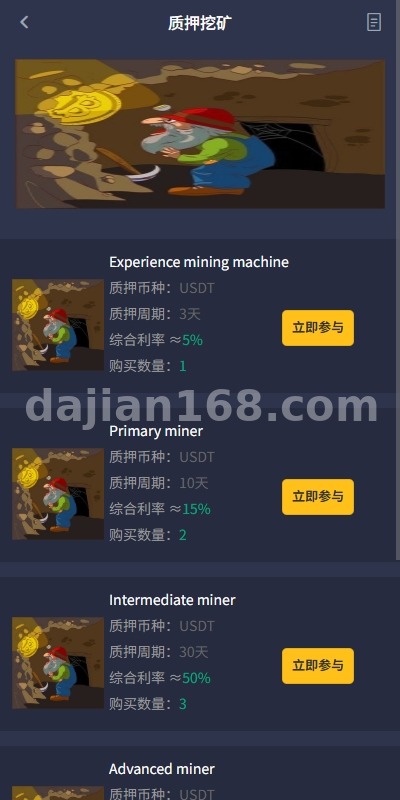
- Timed Demo Contract: A short-duration demo contract that auto-settles at fixed intervals, useful for teaching order flow and risk management.
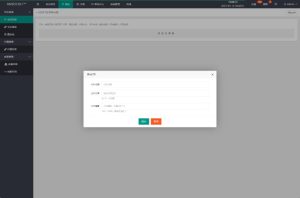
- Order Batch Management and Risk Parameter Configuration: The admin panel lets you group orders by session and configure batch stop-loss, take-profit, and exposure limits.
2. Pre-setup Preparation
Before you touch a single config file, get these basics sorted:
- Server Configuration: At least 2 CPU cores and 4 GB RAM. CentOS 7+ or Ubuntu 20.04 both work. If your users are in Asia, pick a CN2 line and enable BBR congestion control.
- Domain Name and SSL: For mainland China hosting, file the ICP. For Hong Kong or overseas servers, ICP is not required. Either way, HTTPS is mandatory.
- Runtime Environment: Nginx + PHP 8.0+ + MySQL 5.7+. OneinStack is the fastest path if you do not want to compile everything by hand.
- Interface Preparation: For live price feeds, you can connect to public APIs such as Binance, Huobi, or OKX. For deposits and withdrawals, you will need a compliant payment-gateway integration.
- Source Code License: Read the license terms before you customize or resell. Commercial disputes are expensive and boring.
3. Common Issues and Troubleshooting
3.1 Order Batch Management Does Not Seem to Work
I wasted half a day on this. In the admin panel you set batch risk parameters, but nothing happens. The missing step: open Contract Variety Settings and enable the matching control switch there. Both places must be turned on, or the panel politely ignores you. It is not obvious, so write it down.
3.2 Layout Breaks After Switching Language
Some themes load a third-party font library per language. When the font loads, line heights shift and buttons misalign. The fix: disable all CSS optimization and caching plugins, open Chrome DevTools, and trace the rule that changes. In my case, it was a web font loaded by the multi-language plugin, not the theme itself.
3.3 High Latency on Timed Demo Contracts
Short-duration demo contracts are sensitive to network round-trip time. From my own tests, keep same-region latency under 50 ms if you want the UI to feel snappy. An Alibaba Cloud Hong Kong CN2 instance plus BBR helped, and a second layer of ServerSpeeder made a noticeable difference during peak hours.
4. Expansion and Customization Options
Once the base install is stable, the next logical upgrades are:
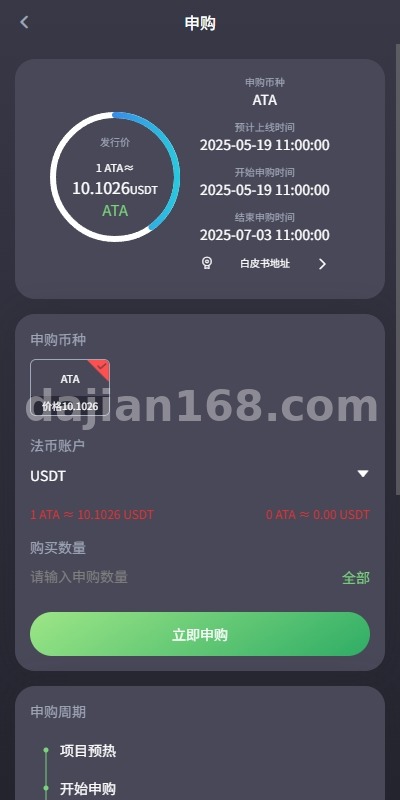
- Live Exchange API Feeds: Binance, Huobi, OKX, or any provider with a public websocket can feed real-time prices into the demo engine.
- OTC Module: A peer-to-peer off-ramp area where users trade directly with each other, if your local regulations allow it.
- Copy Trading: Let users follow demo accounts with transparent track records before any real money is involved.
- KYC Identity Verification: Add ID verification before anyone can flip from demo to live mode. Rules vary by country, so build it to be switchable.
Frequently Asked Questions (FAQ)
Q1: Does the system work on mobile devices?
Yes. The frontend is responsive, and the admin dashboard has been adapted for smaller screens. I tested it on a mid-range Android phone and a tablet; both were usable.
Q2: What qualifications do I need to run this?
For internal demos, training, or personal learning, none. For a public platform handling real user funds, you need the financial-services licenses required by your country or region. Do not skip this step.
Q3: How secure is the system out of the box?
The base code has basic protections, but you should harden it further: firewall, forced SSL, admin IP whitelist, encrypted database fields, and two-factor authentication for every privileged account.
Q4: What is the difference between demo mode and live trading?
Demo mode uses simulated balances and synthetic market data. Live trading connects to real exchange APIs and processes real deposits. Never enable live trading before you have legal clearance and a security audit.
Q5: How can I reduce latency for international users?
Choose a server region close to your main user base, enable BBR, use a CDN for static assets, and consider WebSocket instead of polling for price updates. If you are targeting Southeast Asia, a Hong Kong CN2 instance is a solid starting point.
Bottom Line: This article is for technical education and demonstration only. Real-world operation requires financial licenses, regulatory compliance, and professional legal advice. Nothing here is an endorsement, invitation, or recommendation to invest.
Original Reference
-
 Alipay QR Code Scan
-
 WeChat Scan Pay